

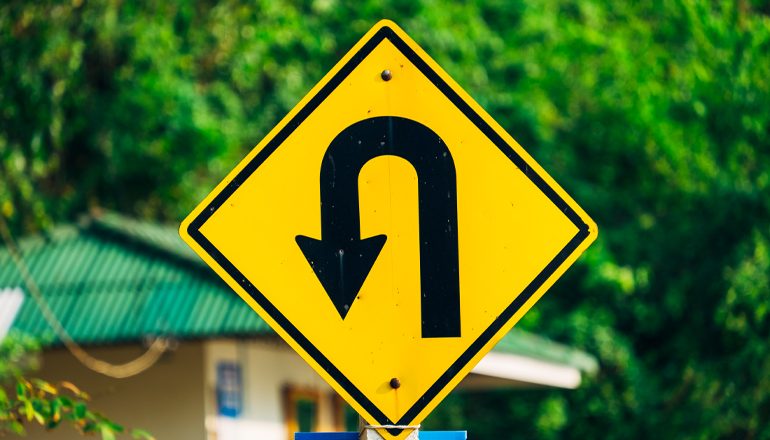
When you’re learning to drive, one of the most important things to grasp is how to understand and respond to road signs. They’re everywhere, and they guide everything from how fast you should go to when you should stop, give way, or watch out for hazards. Knowing your road signs isn’t just about passing the theory test it’s about being a safe, confident driver on real roads.
At Lisa’s School of Motoring, we make sure our learners aren’t just focused on vehicle control, but also on recognizing and reacting to road signs correctly. If you’re unsure about what the different shapes, colors, or symbols mean, this guide will give you a clear and simple overview.
The Three Main Types of Road Signs
Most UK road signs fall into three main categories: warning signs, regulatory signs, and informational signs. Understanding the differences between these types helps you react quickly and appropriately while driving.
- Warning signs are usually triangular and alert you to potential hazards ahead, like sharp bends, pedestrian crossings, or slippery roads. When you see one, you should slow down and prepare to respond.
- Regulatory signs are often circular and tell you what you must or must not do. This includes speed limit signs, no entry signs, and instructions like “no overtaking” or “give way.” These are legally enforceable and must be followed.
- Informational signs are typically rectangular and provide helpful directions, like indicating a hospital nearby, the next town or city, or where services like fuel and rest areas are located.
Learning the shapes and colors first can help you identify the purpose of a sign even if you can’t read it straight away.
Common Signs Learners Struggle With
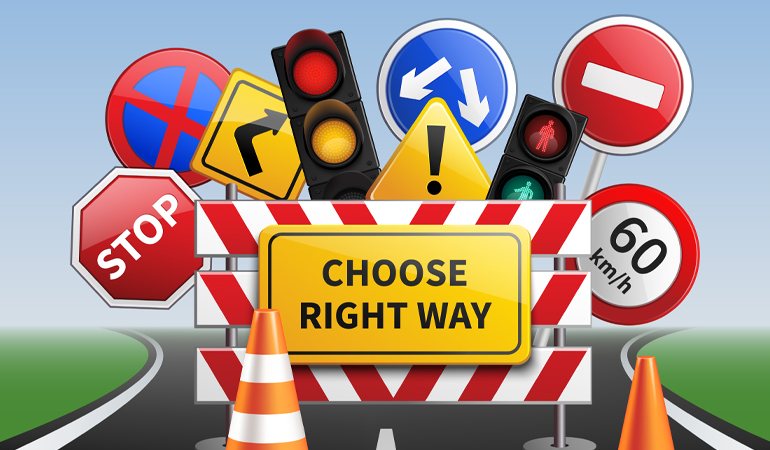
Some signs are easy to miss or misunderstand when you’re just starting out. One that often catches learners off guard is the “no entry” sign a red circle with a white horizontal line. It’s crucial to spot this in time, especially in quiet residential streets where you might accidentally turn the wrong way down a one-way road.
Another sign to watch out for is the national speed limit sign, which is a white circle with a black diagonal stripe. On single carriageways, this means 60mph, and on dual carriageways or motorways, it means 70mph unless signs say otherwise.
Roundabout signs can also be tricky. These are usually blue with arrows showing the direction of travel, or white with a diagram showing exits. It’s important to use these to plan your position and signal correctly before entering.
Paying Attention to Road Markings and Local Variations
In addition to posted signs, road markings play a vital role. Solid white lines, yellow box junctions, and zigzag lines near schools or crossings all have specific meanings and must be observed just like traditional signs. Some areas also have local signage or temporary signs for construction, events, or school zones so always be alert to changes in your usual routes.
The more you practise with a qualified instructor, the more natural it becomes to scan for signs and respond instinctively. During lessons with Lisa’s School of Motoring, we make sure our learners drive through a variety of road types and sign situations, helping them build confidence across the board.
Understanding road signs is about more than memorisation it’s about developing good habits that will stay with you long after your test. Keep practicing, keep observing, and remember: every sign is there to help keep you and others safe on the road.


